Wird geladen …

EURLogin
Wird geladen …
2'414 items in stock, ready to ship in 48 hours.


13 figures · 28 items
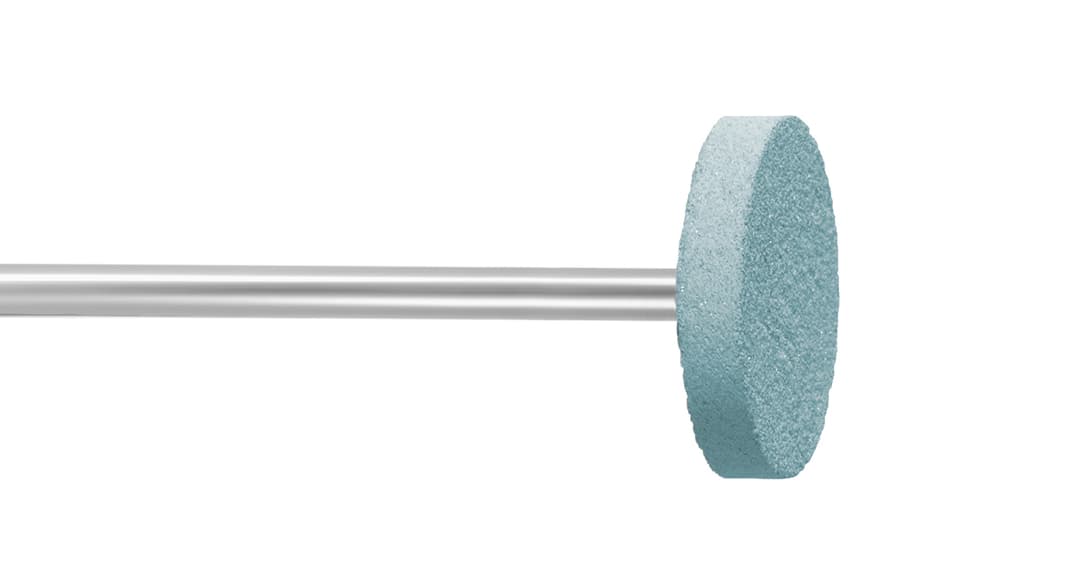
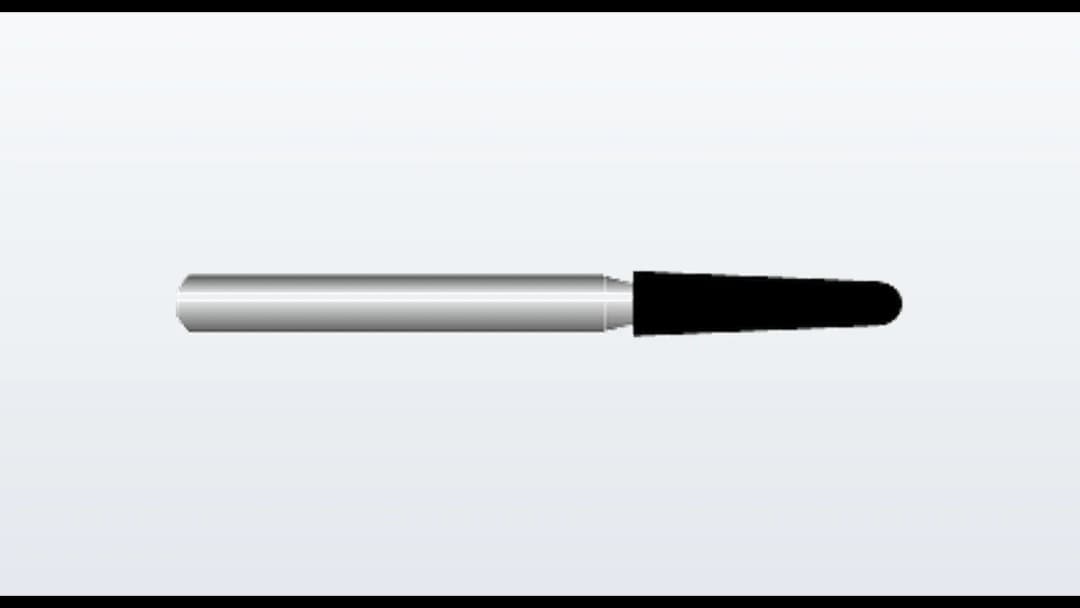
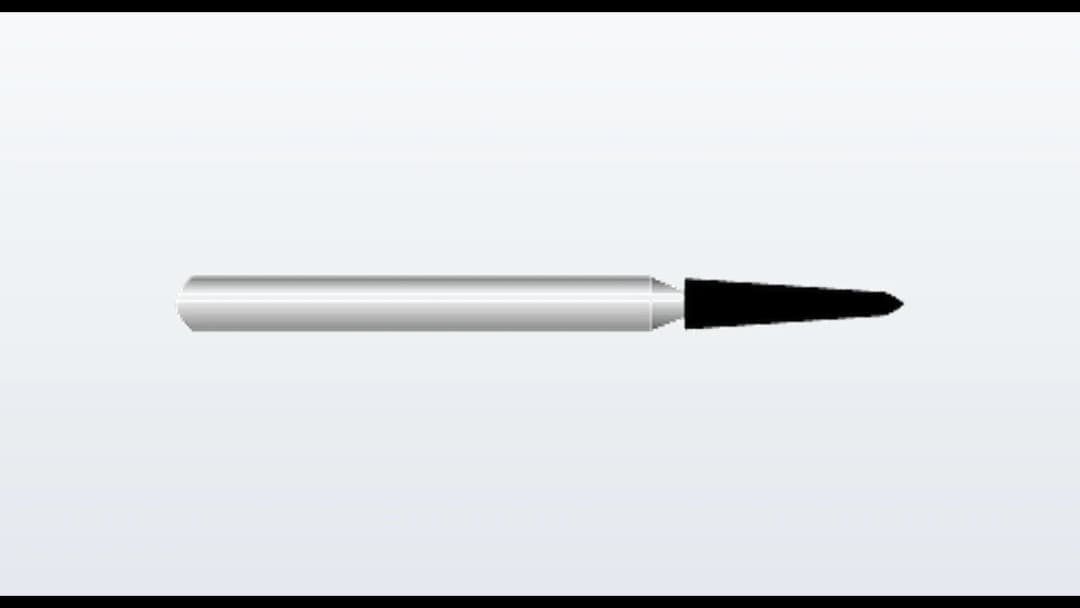
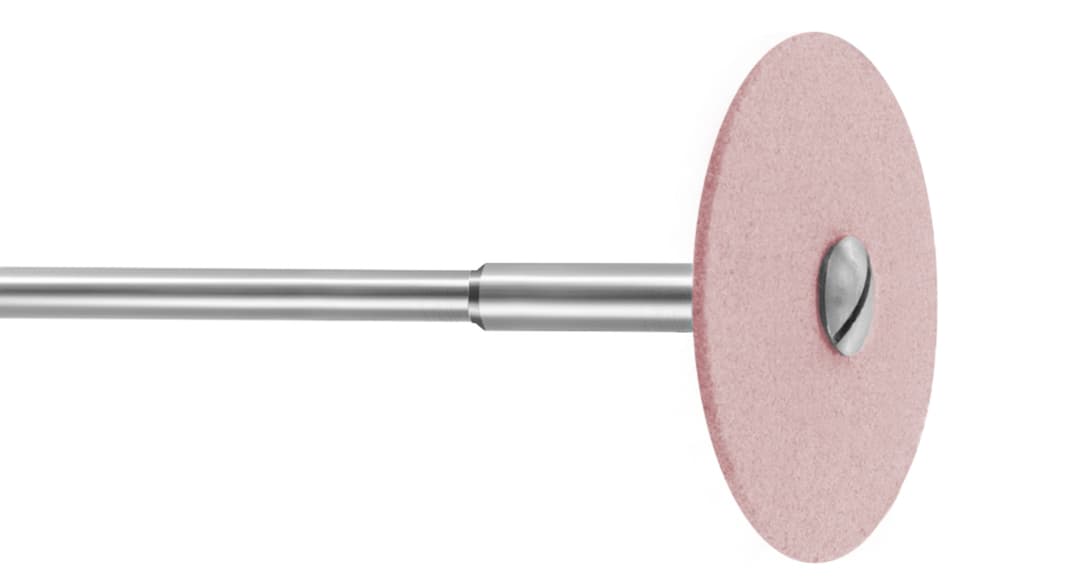
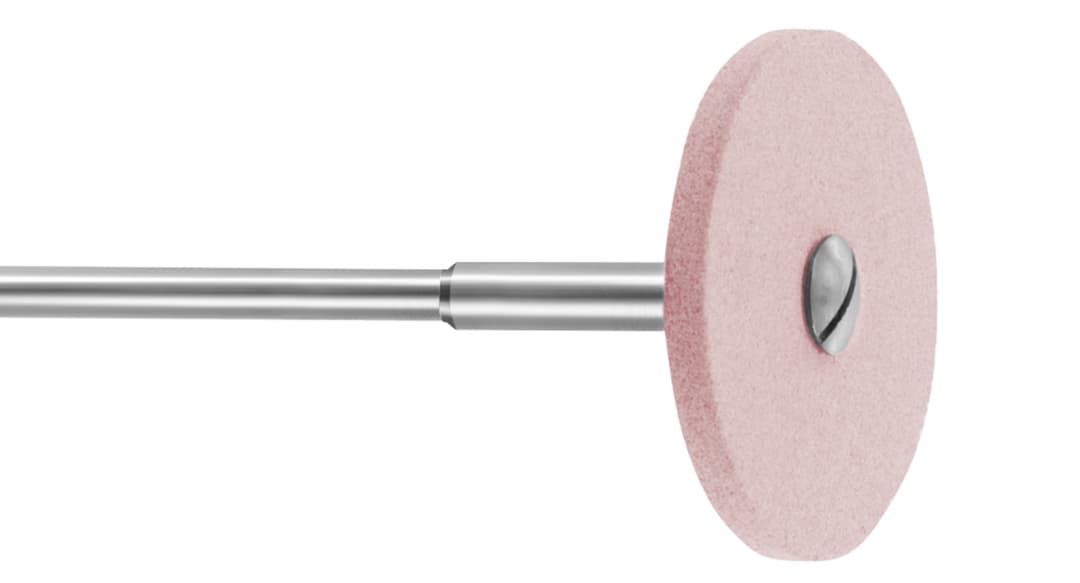
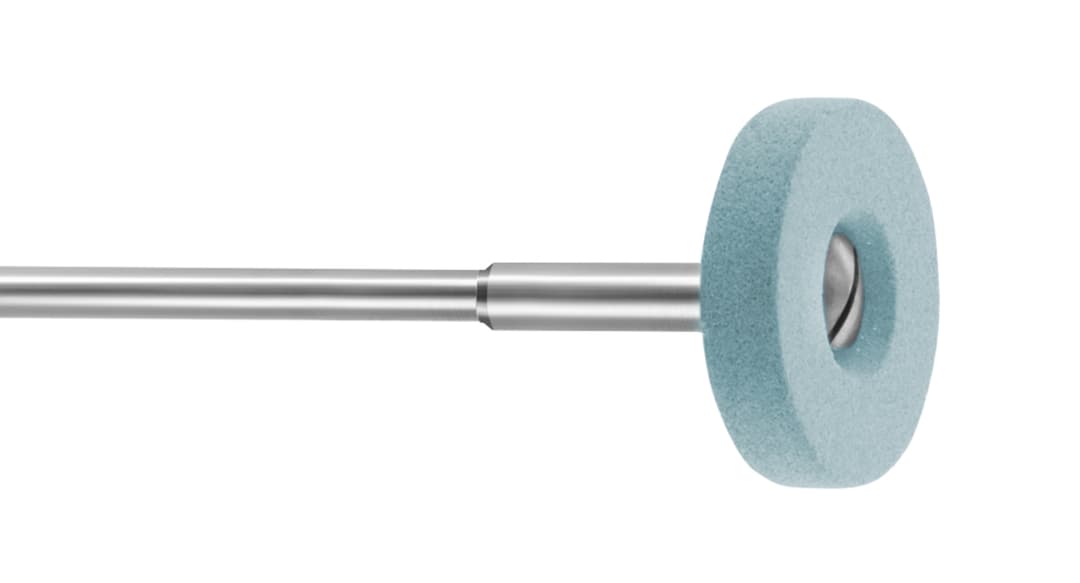
Ceramic grinders are ceramically bonded abrasives for grinding, contouring and adjusting metal, precious and non-precious alloys as well as ceramics. The homogeneous bond of corundum or silicon carbide grain works true to the material and holds its shape.
Typical tasks are grinding sprues, crown margins and occlusal surfaces. Various shapes, grain sizes and hardness grades cover every indication.
Direct from the Swiss manufacturer in Appenzell. Swiss made to ISO 13485, CE-MDR, stock items ready to ship within 48 hours.

For metal and alloys. The bonded abrasive removes material across the surface and holds its shape, whereas diamond clogs on tough metals.
| Task | Instrument | Why |
|---|---|---|
| Cutting and grinding sprues | Ceramic grinder, coarse | High removal, holds shape |
| Adjusting a crown margin | Ceramic grinder, medium | Controlled removal on metal |
| Adjusting the occlusal surface | Ceramic grinder, medium to fine | Broad guidance |
| Contouring zirconia | Sintered diamond grinder | Zirconia is too hard for bonded grain |
| Correcting veneering ceramic | Fine abrasive or diamond | Brittle material, low pressure |
The abrasive grain sits in a bond, not on a surface. During work, spent grains break out and expose sharp grains underneath.
This is the reason for the consistent grinding performance: the body wears and sharpens itself in the process. Corundum is used for metal and silicon carbide for hard, brittle materials.
By its shape, not its diameter. A body that has lost its contour no longer works where you place it.
Cooling makes sense on metal and ceramics to bind heat and dust. Observe the manufacturer's specification for the individual abrasive.
Pressed ceramics can be worked with the same instruments as veneering ceramics. What matters is the grit: coarse for removing the sprue, fine for contouring before polishing.
The second sign is a glazed, shiny surface: the body is clogged rather than worn. It generates heat instead of removal and should be dressed or replaced.
With light pressure and a suitable grit. Coarse grits create microcracks at thin margins that later lead to chipping.
Always work more finely and with less pressure at tapering margins than across the surface. For zirconia and all-ceramics it is better to use sintered diamond grinders, and for acrylic and alloys carbide cutters.