Wird geladen …

EURLogin
Wird geladen …
2'414 items in stock, ready to ship in 48 hours.


8 figures · 97 items
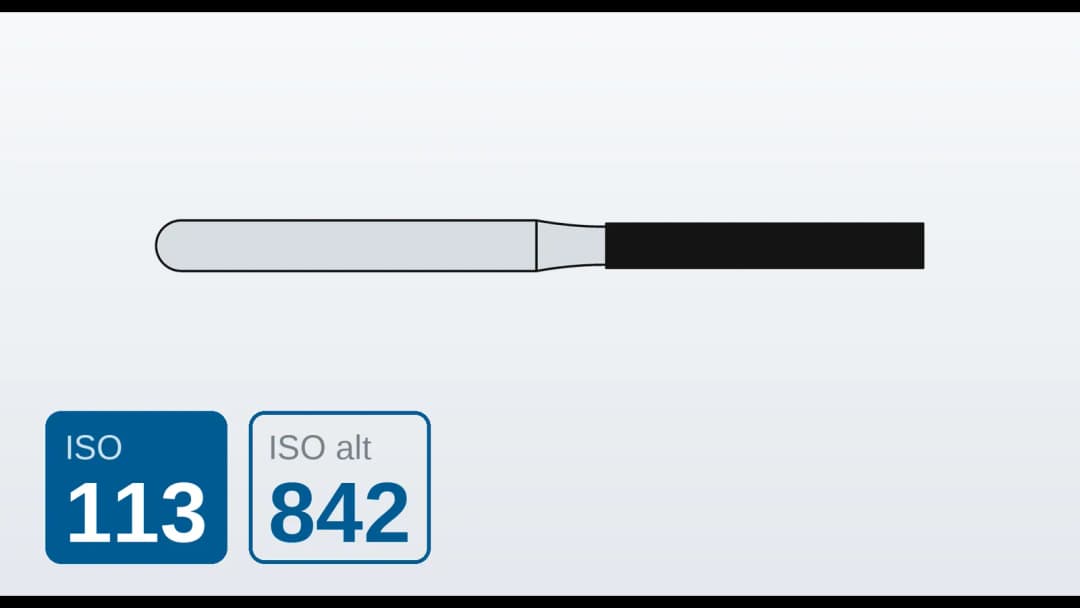
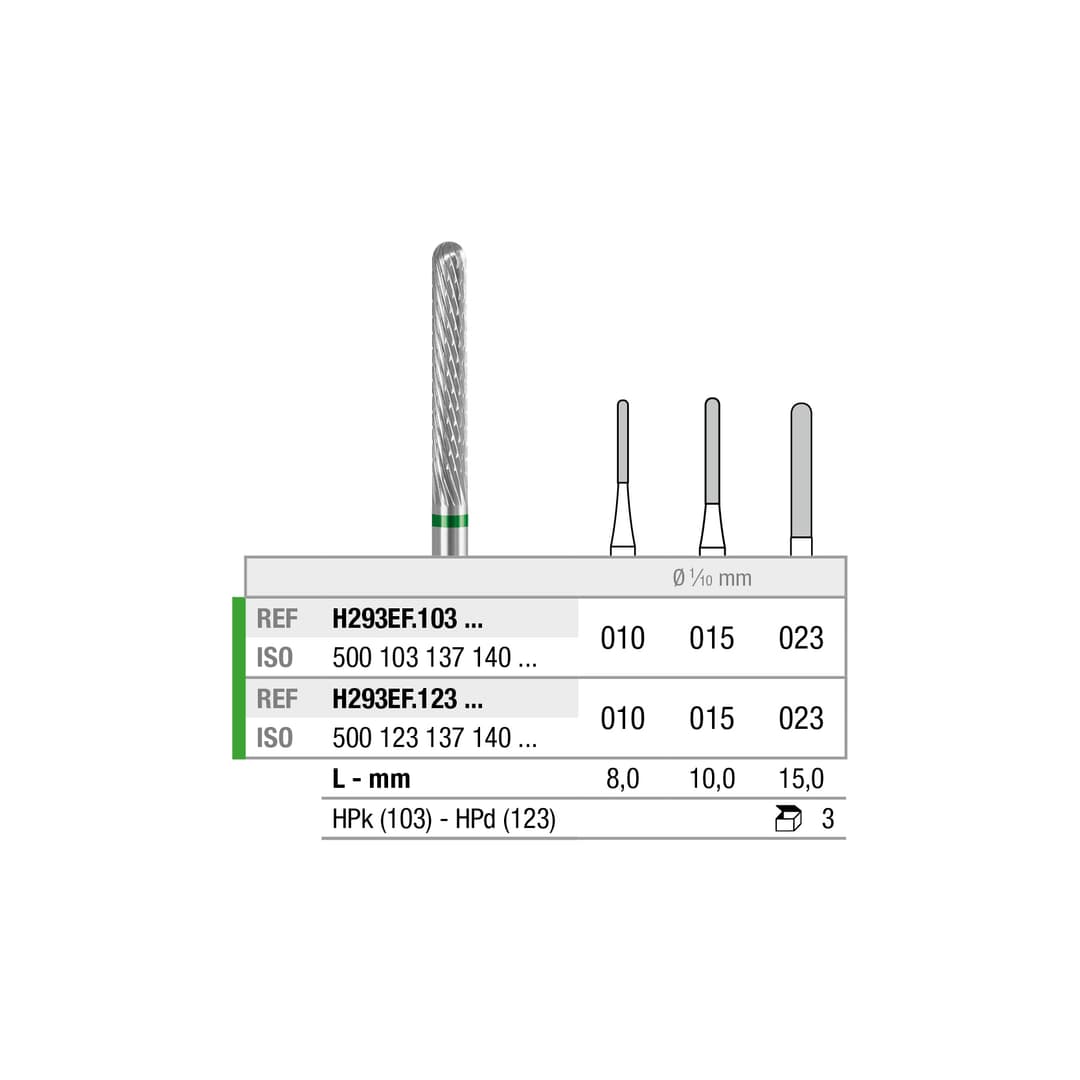
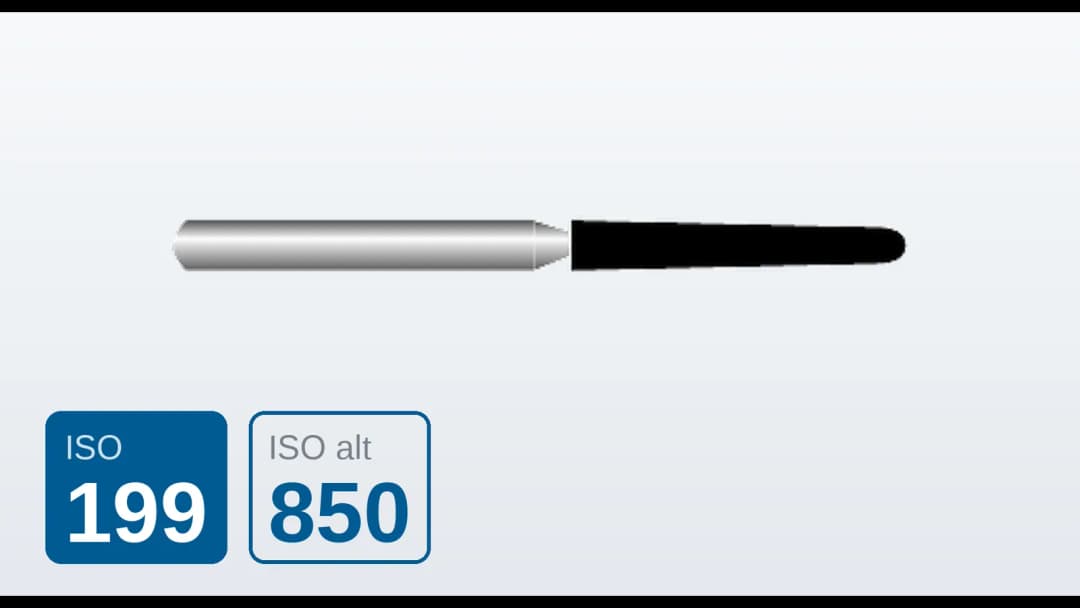
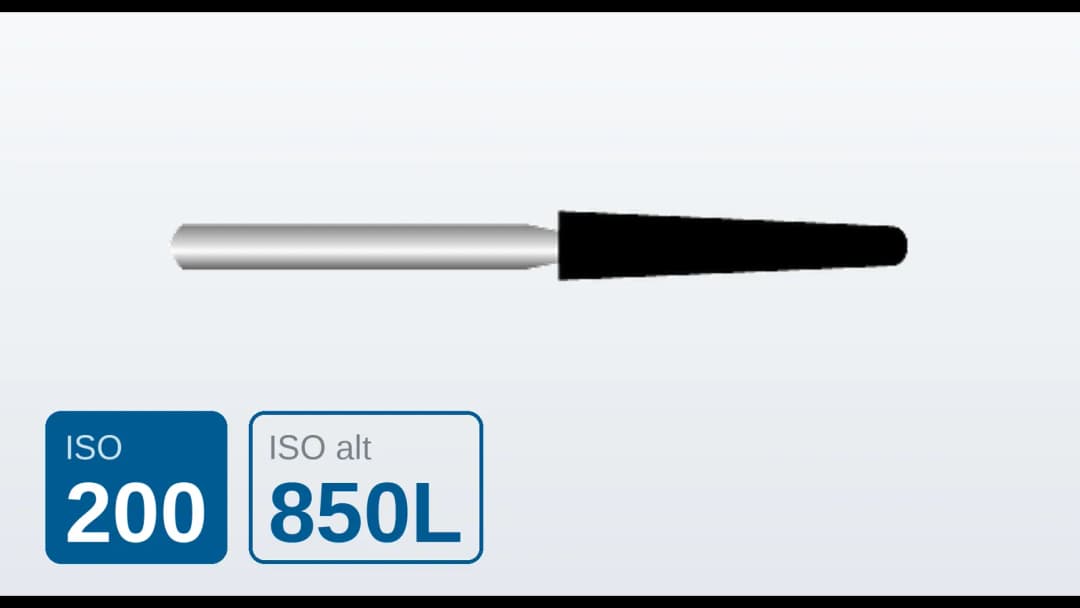
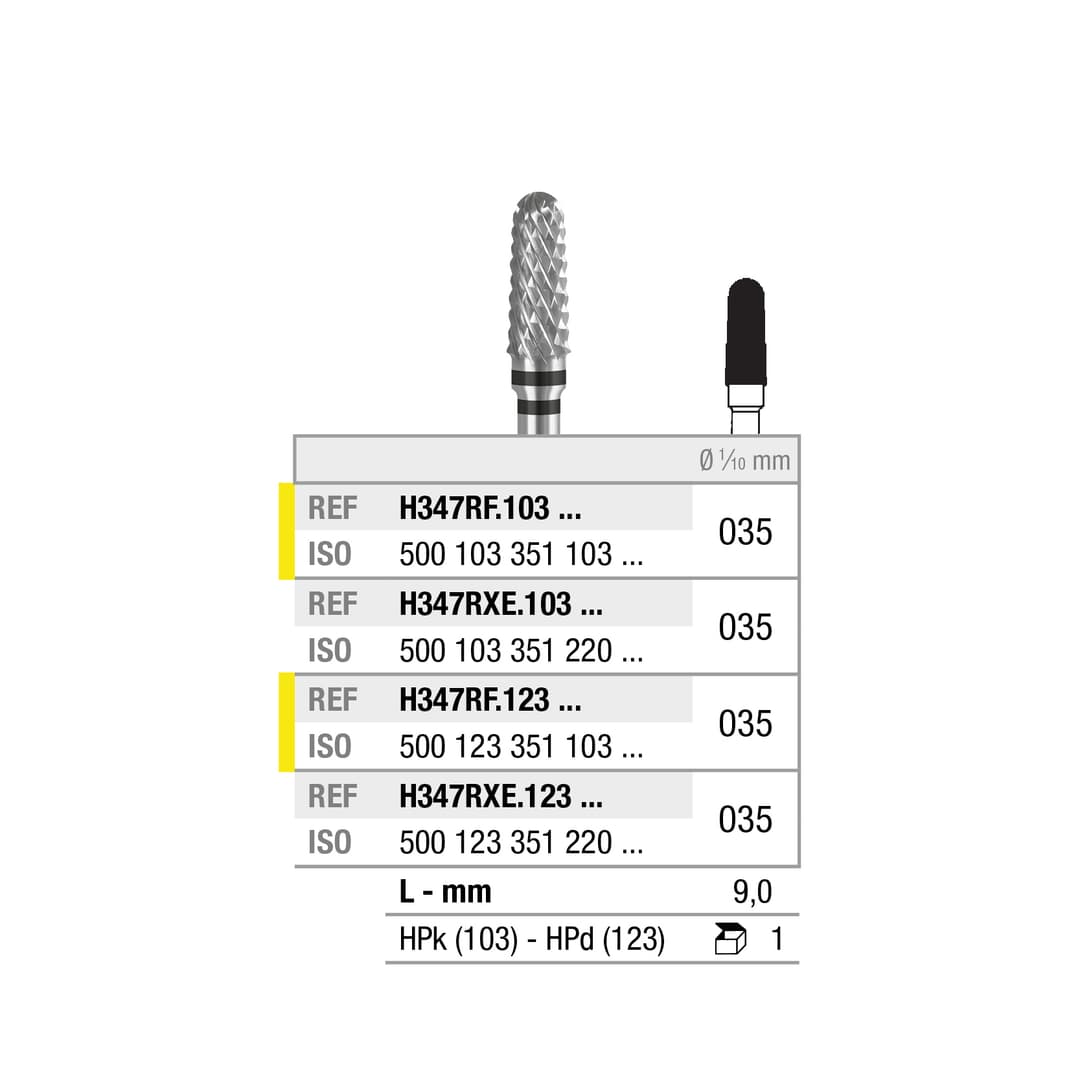
Cutters for milling technique create exact parallel surfaces and contours for telescopic, conical and attachment work. Parallel, conical and wax cutters work precious and non-precious alloys as well as wax without scoring and true to shape.
They are the basis for precisely fitting double crowns and removable dentures. For use in the milling unit, HP shank.
Direct from the Swiss manufacturer in Appenzell. Swiss made to ISO 13485, CE-MDR, stock items ready to ship within 48 hours.
Milling technique runs in stages, and each stage has its instrument. Shortening the sequence does not produce parallelism, only a smooth surface in the wrong axis.
| Working step | Cutter | Goal |
|---|---|---|
| Preparing and reducing | Coarsely fluted | Bringing material to size |
| Creating the milled surface | Parallel or conical cutter | Defined angle, exact axis |
| Interlock and groove | Form cutter | Positive fit for the secondary structure |
| Finishing | Fine fluting | Surface free of scoring |
| Wax modelling | Wax cutter | Soft material without smearing |
Because chatter marks render the surface unusable. Excessive speed makes the cutter vibrate, and every vibration appears as a wave in the surface.
Work at low, constant speed with steady feed. Anyone wanting to progress faster increases the feed, not the speed. Heat is the second reason: it distorts wax and ruins the fit.
Only in the milling unit with the model fixed in place. Parallelism cannot be maintained freehand, not even with a steady hand.
The choice depends on the intended friction and the design. What matters is that the angle stays identical across all surfaces of a case, which is only achievable in the milling unit.
After finishing with a fine fluting, rubber polishers in increasing fineness follow. The milled surface must be smooth, otherwise the friction of the finished work suffers.
Check with the surveyor at intervals before finishing. A deviation that is still correctable in wax costs a remake of the primary crown in metal.
Because the secondary structure slides on this surface. Scoring and waves create resistance at individual points instead of even retention.
Milling technique therefore always includes polishing the milled surface: after fine fluting, with rubber polishers in increasing fineness. For contouring before milling we offer carbide cutters, and for grinding castings the ceramic grinders.