Wird geladen …

EURLogin
Wird geladen …
2'414 items in stock, ready to ship in 48 hours.


5 materials · 9 items
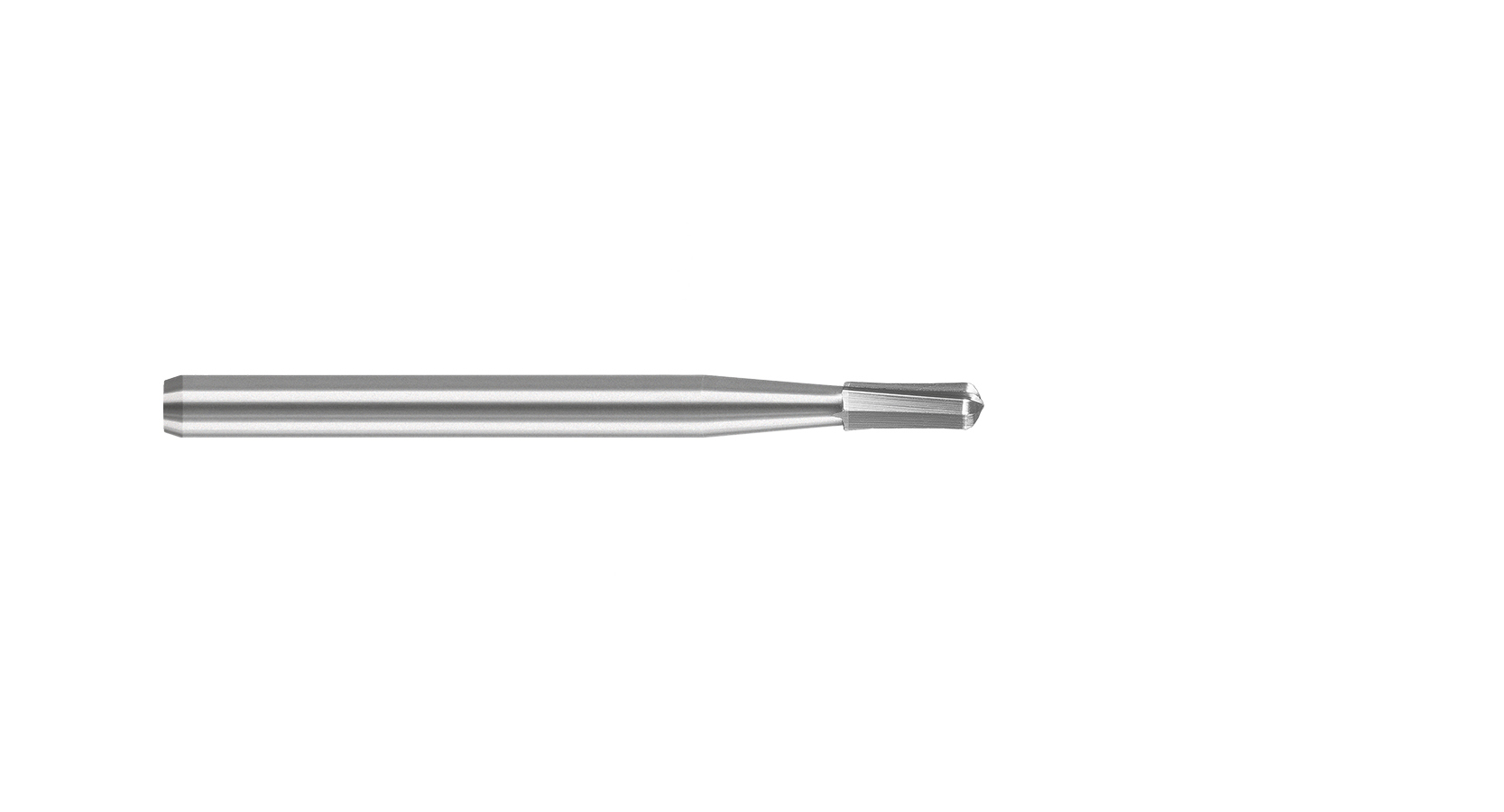
Crown cutters are designed for the fast, safe sectioning and removal of crowns and bridges. The carbide and diamond-tipped instruments cut through metal, ceramic and zirconia frameworks in a controlled way and with low heat generation.
The slim cylindrical shape keeps the cut narrow and protects the prepared tooth underneath. Alongside the standard length, extended versions are available for the posterior region.
Direct from the Swiss manufacturer in Appenzell. Swiss made to ISO 13485, CE-MDR, stock items ready to ship within 48 hours.

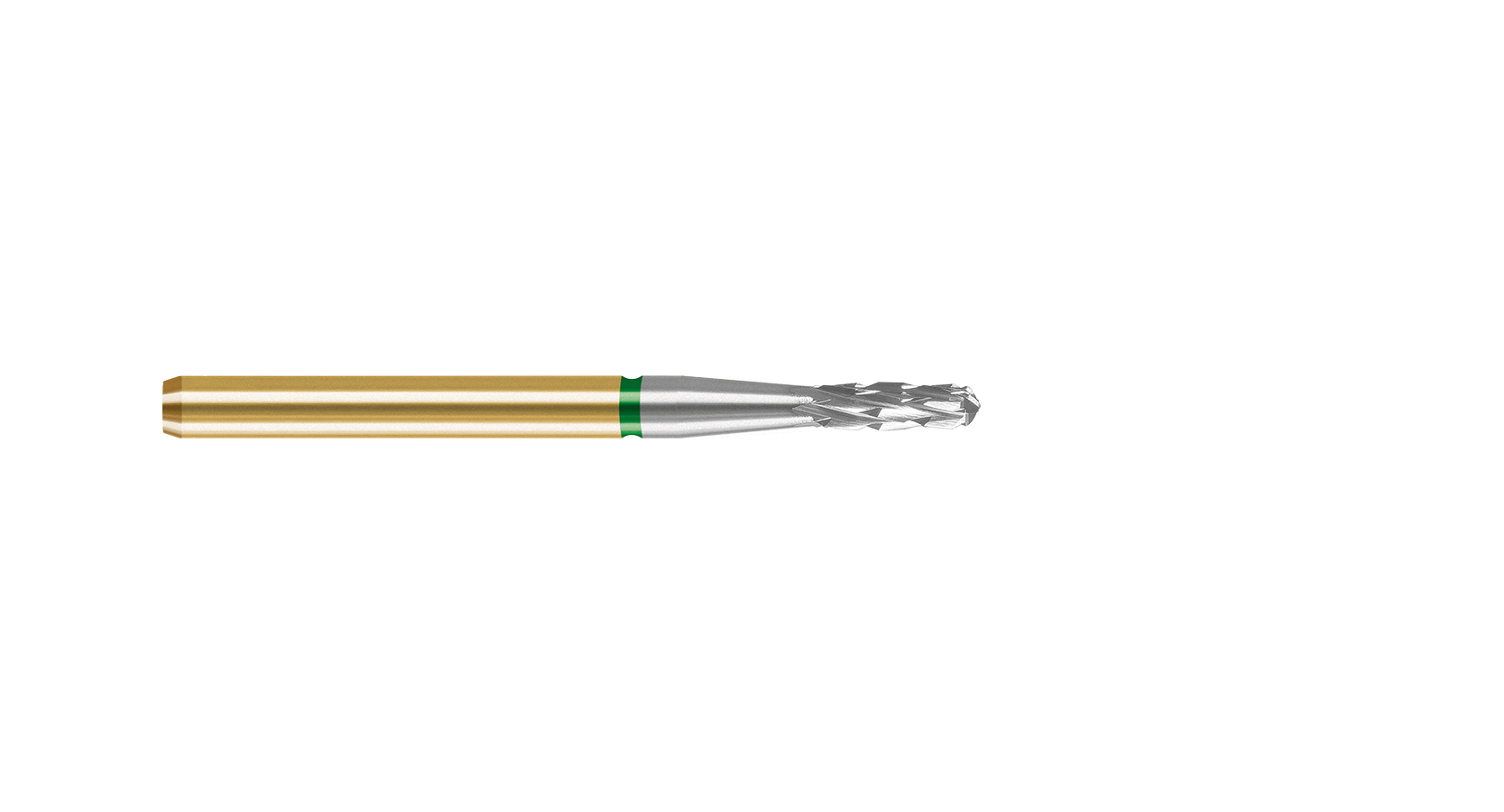
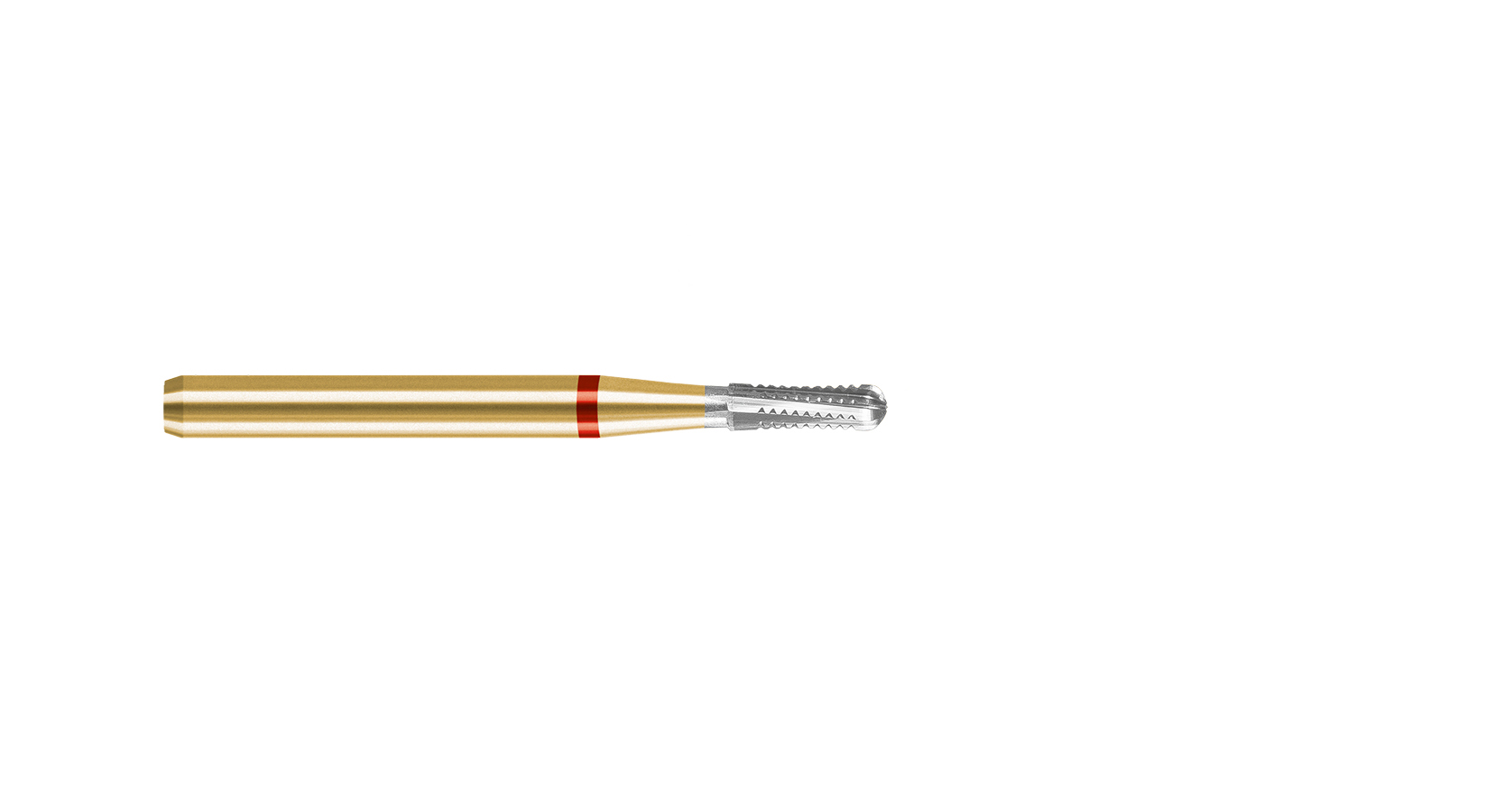
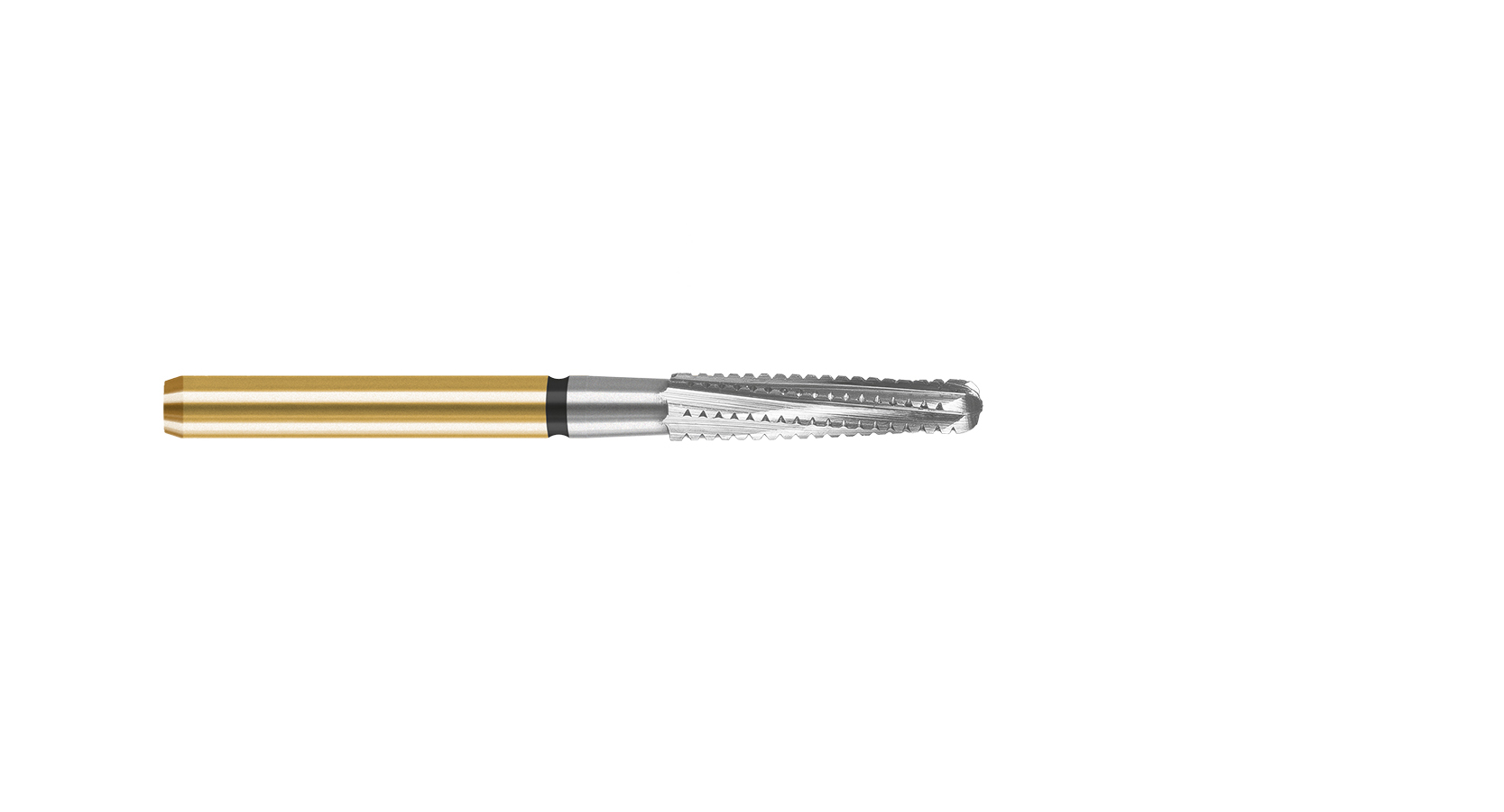
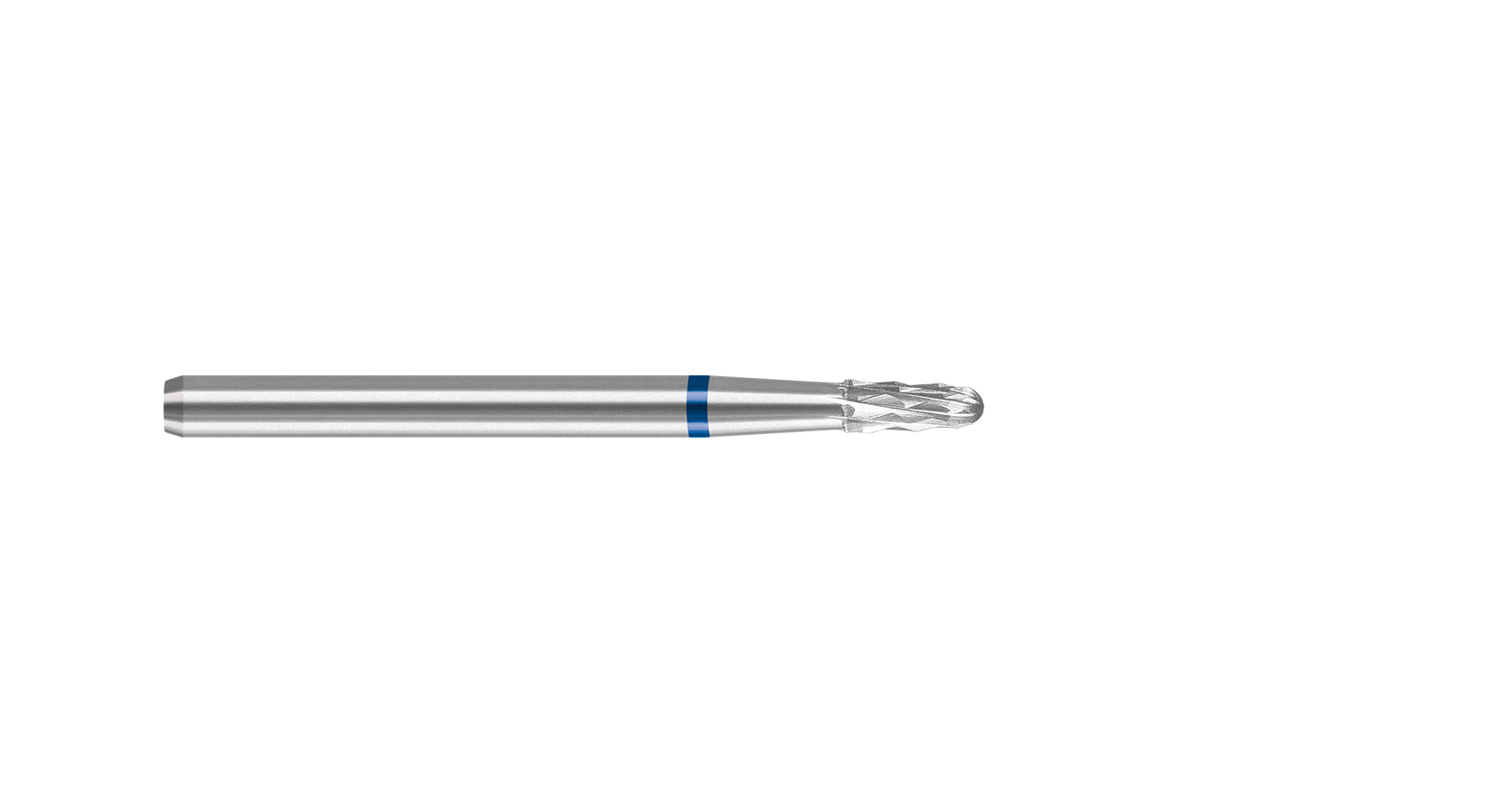
The crown material determines the instrument, not its position in the jaw. Carbide cuts metal, while zirconia and all-ceramics require diamond-coated instruments.
| Crown material | Instrument | Reason |
|---|---|---|
| PFM, metal, non-precious alloy | Carbide crown cutter | Cuts by chip removal, clean cut |
| All-ceramic | Diamond-coated instrument | Ceramic is brittle and abrasive |
| Zirconium oxide | Diamond-coated, coarse grit | Highest hardness, carbide blunts immediately |
| Ceramic veneering on metal | Diamond, then carbide | Veneer first, then framework |
Because zirconium oxide is harder than the cutting material. Carbide loses its sharpness on zirconia immediately, and even fine diamond grits barely remove material.
Sectioning and removing adhesively cemented all-ceramic crowns is among the greatest everyday challenges in the clinic. Starting with the wrong instrument consumes two or three instruments and generates unnecessary heat. A coarsely diamonded instrument designed for zirconia works faster and with less heat.
Slot from occlusal to buccal, then lever the crown apart at the slot. The cut runs to just short of the prepared tooth, not into the dentine.
One instrument is usually sufficient for metal crowns. For zirconia you should have a second one ready, as the hardness of the material reduces cutting performance more quickly.
Yes, the instruments are designed for validated reprocessing. Clean them immediately after the procedure, before cement residues dry on.
Work intermittently and with continuous water cooling. Keep the cut as narrow as possible, because every additional millimetre of material costs heat and time. Once the slot is continuous, a lever instrument is enough to split the crown. Check first whether the entire framework really is severed: a remaining bridge of material tends to pull the prepared tooth with it rather than release the crown.
With light pressure and cooling, not with lower speed. Excessive contact pressure generates heat without speeding up the cut.
The instrument should cut, not be pressed. If removal fails despite pressure, the instrument is either worn out or unsuitable for the material. Changing it costs less time than continuing with a blunt instrument.
Extended versions, because access is limited. On molars the standard length often does not reach the cervical crown margin.
This page can be filtered by length. For further surgical procedures we offer surgical instruments, and for the subsequent restoration diamond burs.
Stock items are ready to ship within 48 hours, directly from the manufacturer. An account is quickly set up, after which you can order around the clock without a sales visit.