Wird geladen …

EURLogin
Wird geladen …
2'414 items in stock, ready to ship in 48 hours.


19 figures · 130 items
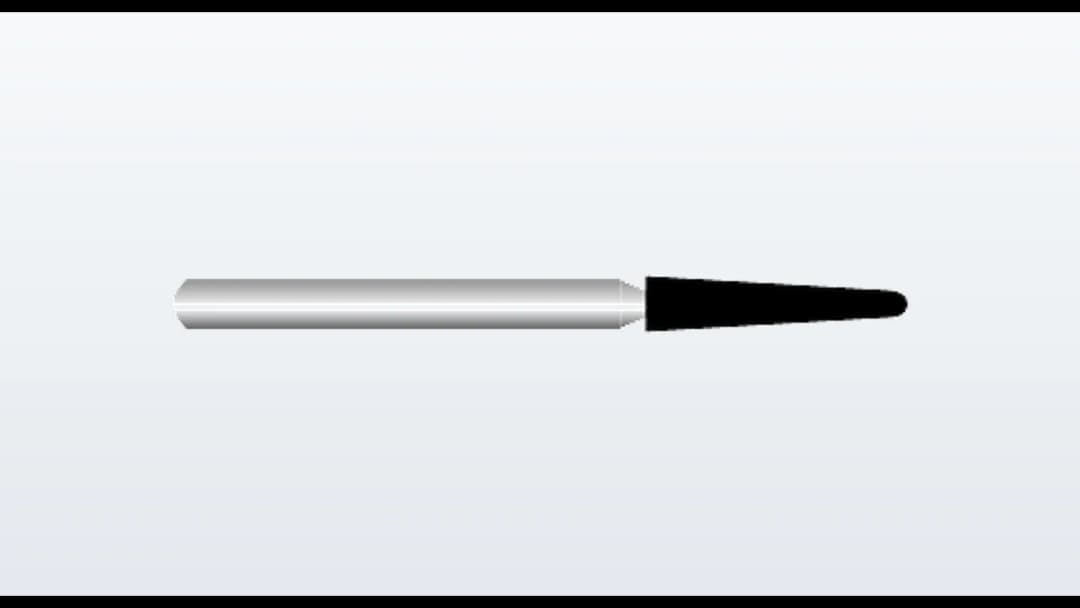
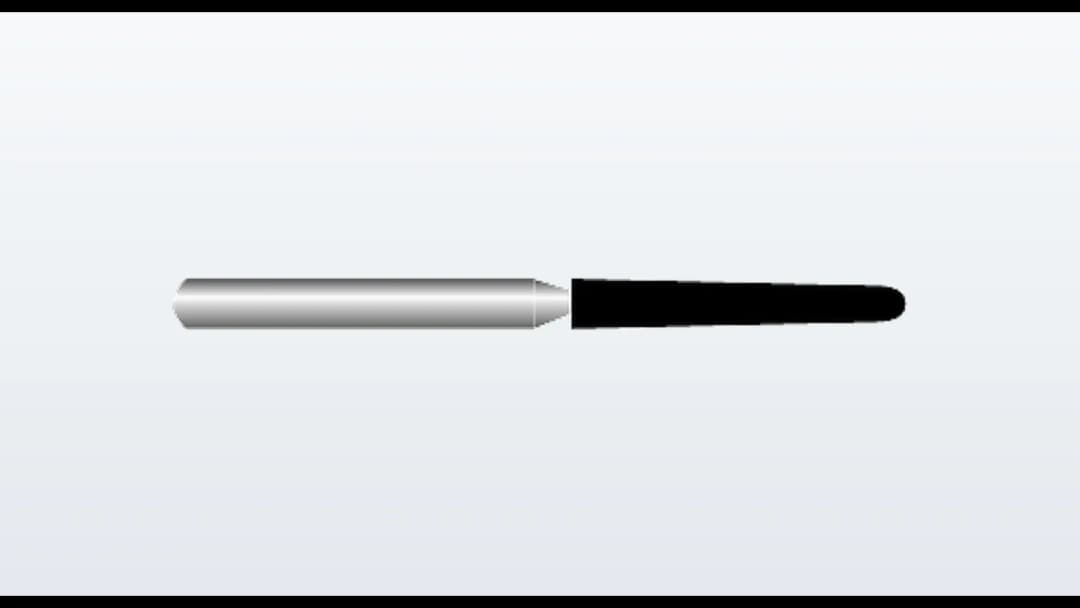
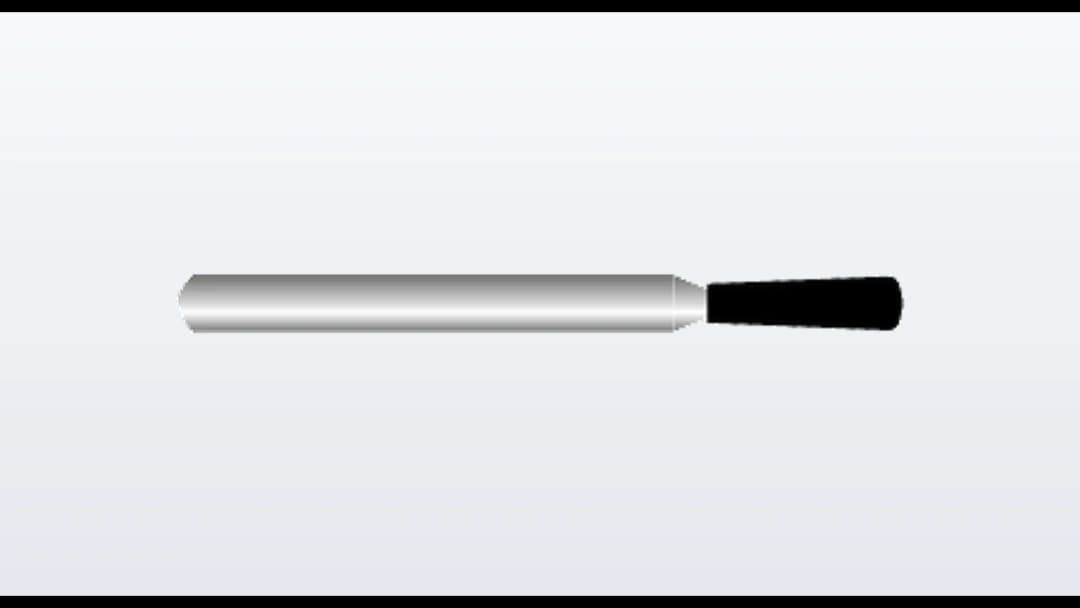
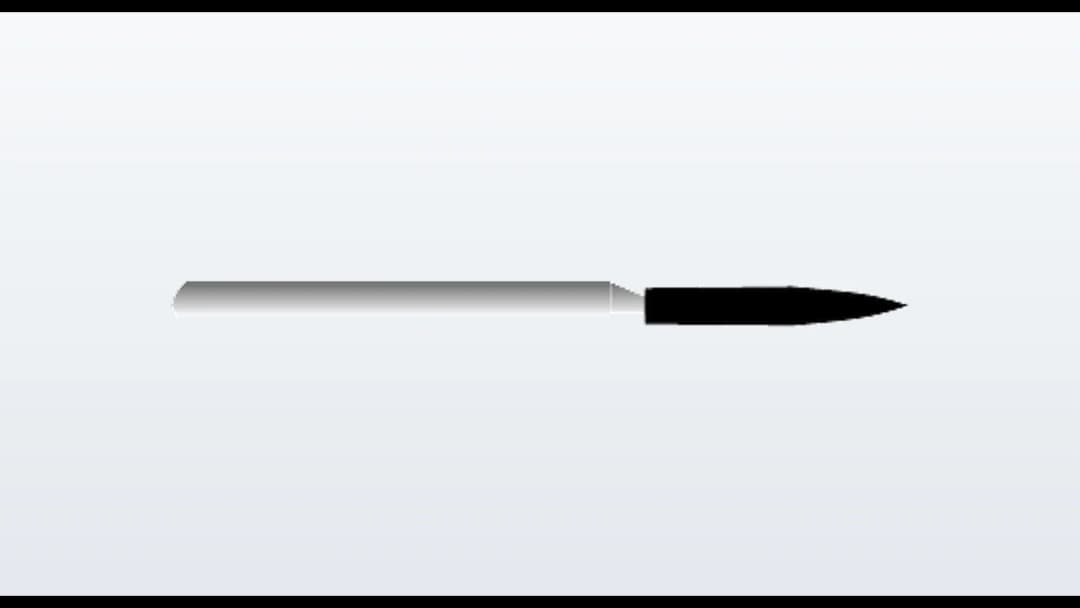
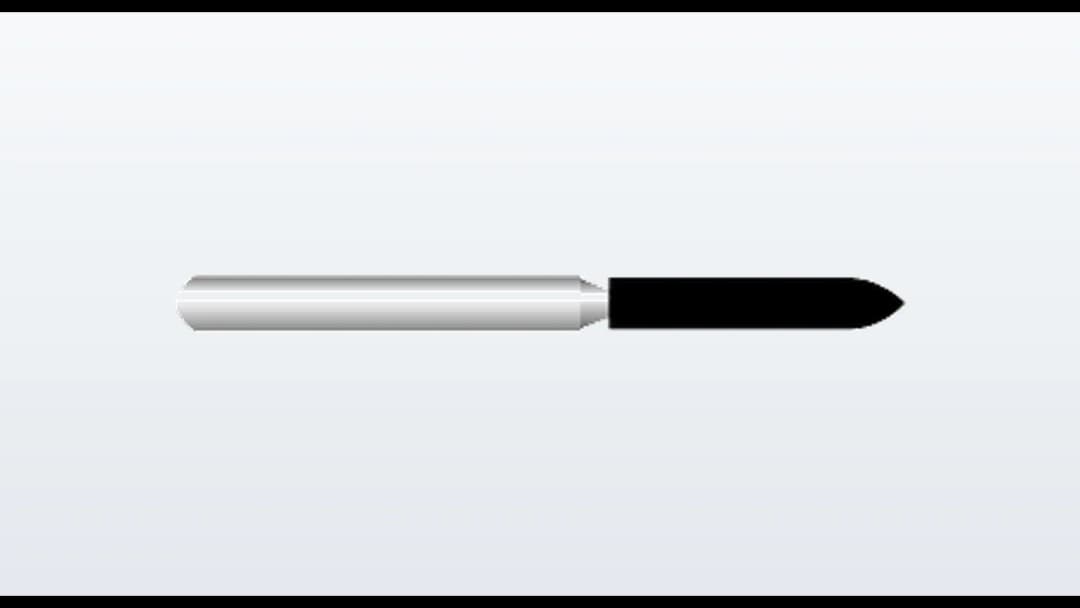
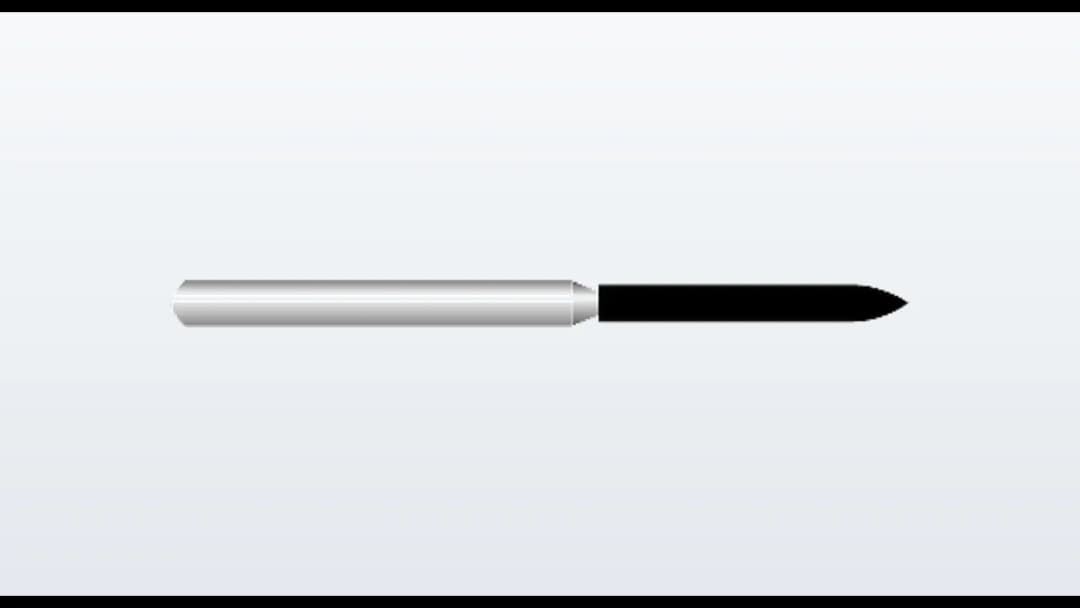
rhodia are premium diamond instruments with an increased diamond concentration, developed for crown and abutment preparation on hard materials. They work zirconium oxide and high-performance ceramics in clinic and laboratory.
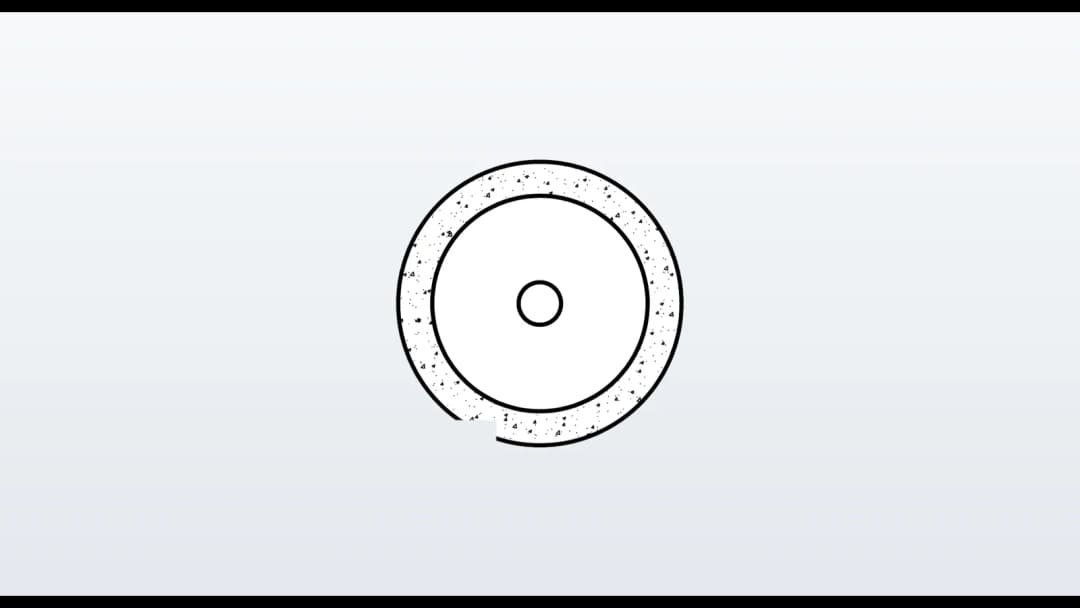
The higher coating density on the working part achieves markedly increased removal even on zirconia, with longer service life and even, tissue-preserving cutting.
Direct from the Swiss manufacturer in Appenzell. Swiss made to ISO 13485, CE-MDR, stock items ready to ship within 48 hours.

Zirconium oxide is considerably harder than enamel and veneering ceramics. A standard instrument quickly loses its coating on it, then only works under pressure and generates heat instead of removal.
| Material | Instrument | Expectation |
|---|---|---|
| Monolithic zirconia | rhodia, coarse grit | High removal, longer service life |
| Lithium disilicate | rhodia or standard diamond | Controlled removal |
| Veneering ceramic | Standard diamond, fine | Tissue-preserving, smooth surface |
| Enamel and dentine | Standard diamond | No benefit from higher density |
By the pressure. If you have to push to achieve removal, the coating is no longer working.
On zirconia this happens faster than on any other material. The result is a cycle: more pressure, more heat, faster wear. An instrument with a higher diamond concentration breaks that cycle because more grain is engaged.
As soon as zirconia or high-performance ceramics are regularly on the treatment plan. For enamel, dentine and composite the higher density brings no advantage.
Do not calculate per instrument but per preparation: an instrument that completes a zirconia crown without a change is cheaper than three standard instruments consumed in the process. For everyday preparation the remains the right choice.
Yes, technically there is nothing against it. The benefit of the higher diamond concentration only shows on hard materials, however, and the standard range is sufficient for everyday preparation.
Coarse grit for removal, fine grit for working the preparation margin. With zirconia the change is particularly worthwhile because coarse grits leave deep scratches.
With continuous water cooling and without tilting. Zirconia is hard but sensitive to localised overheating.
Guide the instrument across the surface, not with the tip. In the laboratory, sintered diamond grinders handle the contouring of zirconia frameworks, because there the diamond grain runs right through the matrix.
Yes, they can be reused when reprocessed by a validated procedure. Clean immediately after the procedure, as zirconia dust clogs the spaces between the grains.